Costs & quotes
What Actually Affects the Cost of Decorating a Room?
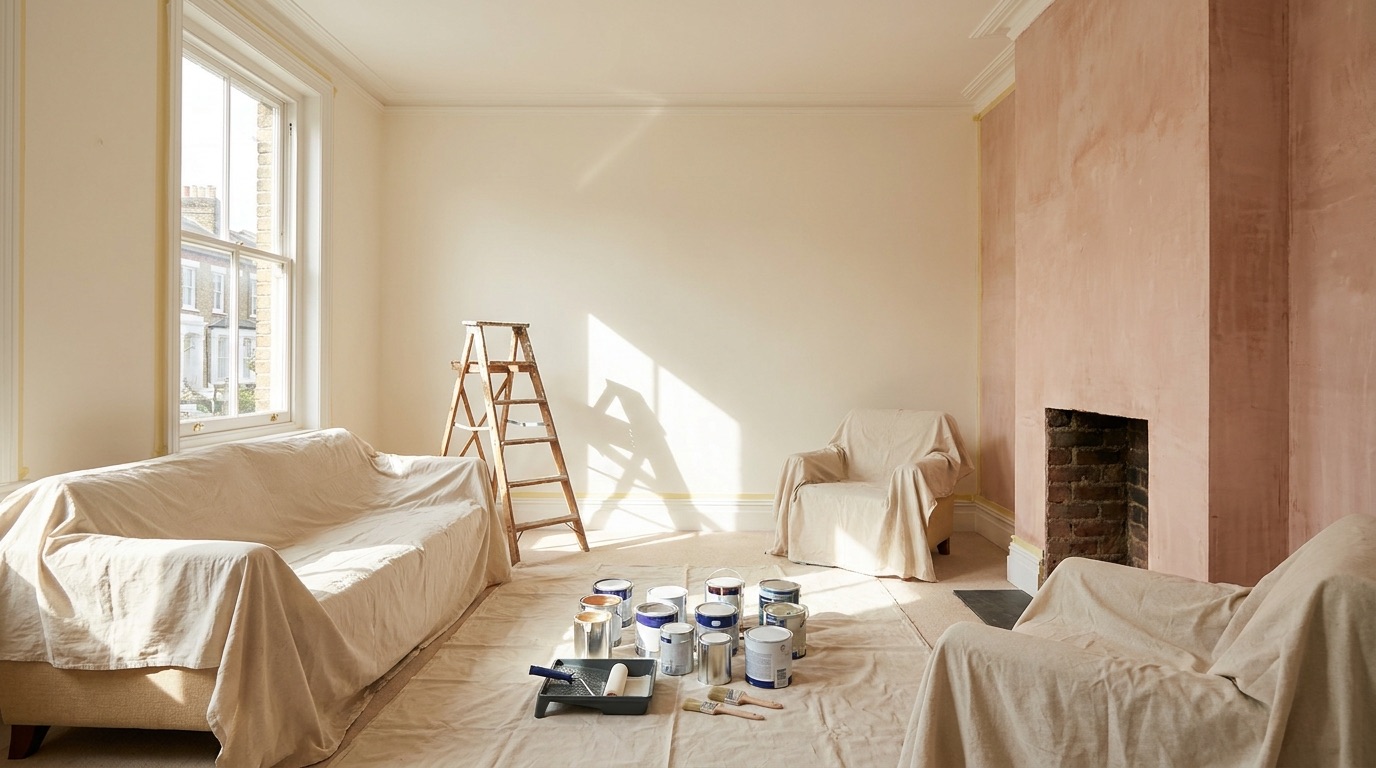
It's the first question almost everyone asks, and the honest answer is that room size matters far less than people expect. Two identical box rooms in the same street in Leyland can be quoted very differently, and it's almost never about the square metres. It's about what has to happen before a single drop of finish paint goes on.
Here's what a decorator is actually pricing when they walk round your home.
1. The condition of the walls
This is the single biggest variable. Painting over sound, previously-painted plaster is quick. Dealing with the alternative is not:
- Filling and sanding — old picture hook holes, cracked corners, dinks in the plaster.
- Flaking or blown paint — has to be scraped back and stabilised, or the new coat fails with it.
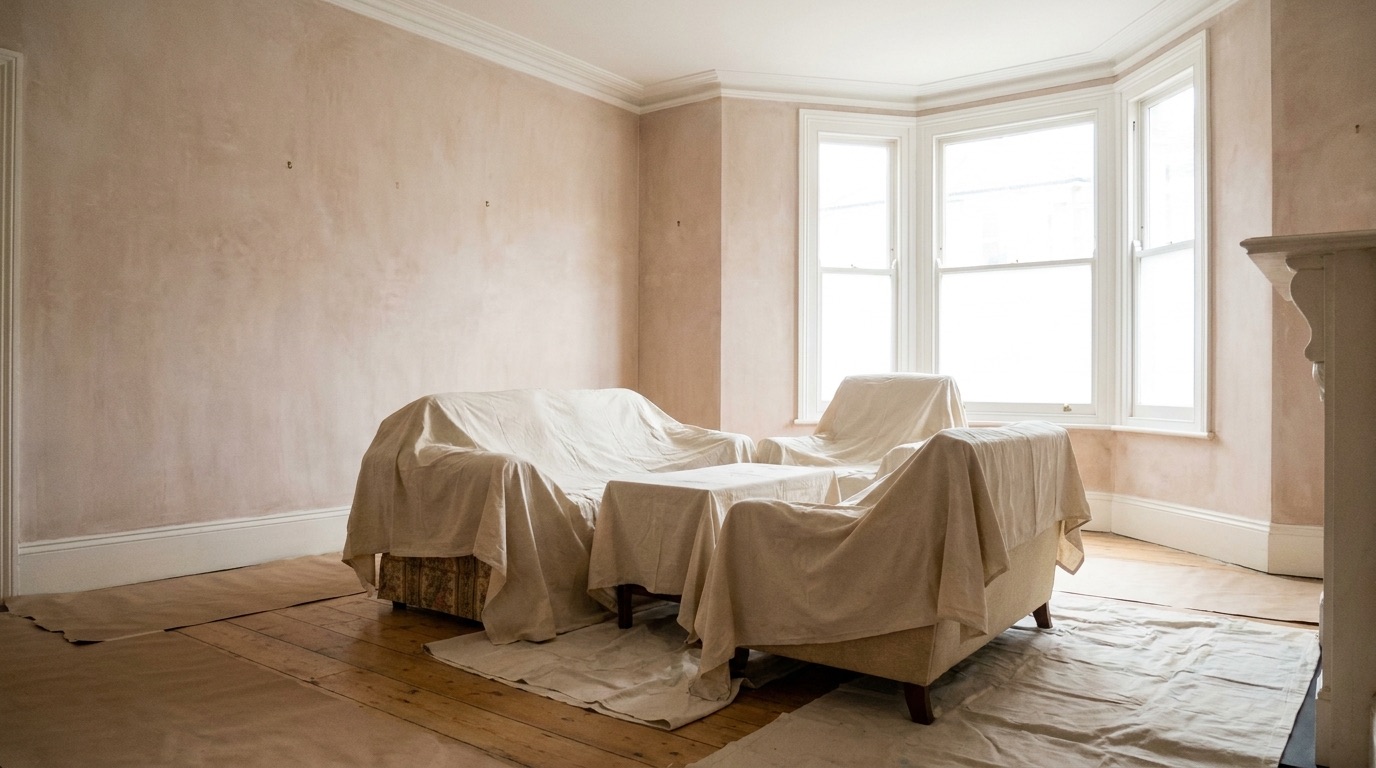
- Bare or patch-plastered walls — new plaster drinks paint and needs a mist coat first.
- Damp or staining — needs the cause resolved and a stain block, otherwise it bleeds through.
A room needing two days of preparation before painting will always cost more than one needing two hours. This is also the stage that gets skipped by anyone quoting suspiciously cheap — and it's the stage you'll notice in twelve months when the finish starts to fail.
2. Woodwork
Skirting boards, architrave, doors, window boards and staircase spindles take disproportionately long compared to walls. Woodwork needs sanding, sometimes priming, and at least two coats — and it's slow, careful, brush-in-hand work rather than quick roller work.
A room where the woodwork is being left alone is a fundamentally different job from one where it's being repainted, and a bigger difference again if it's changing from dark to light, or gloss to satin.
3. Ceilings
Ceilings are more work than walls for the same area — you're working overhead, cutting in round coving and light fittings. Add in artex to be smoothed, or a ceiling that's gone yellow above where a fire or a smoker once was and needs sealing, and the time climbs again.
4. Wallpaper
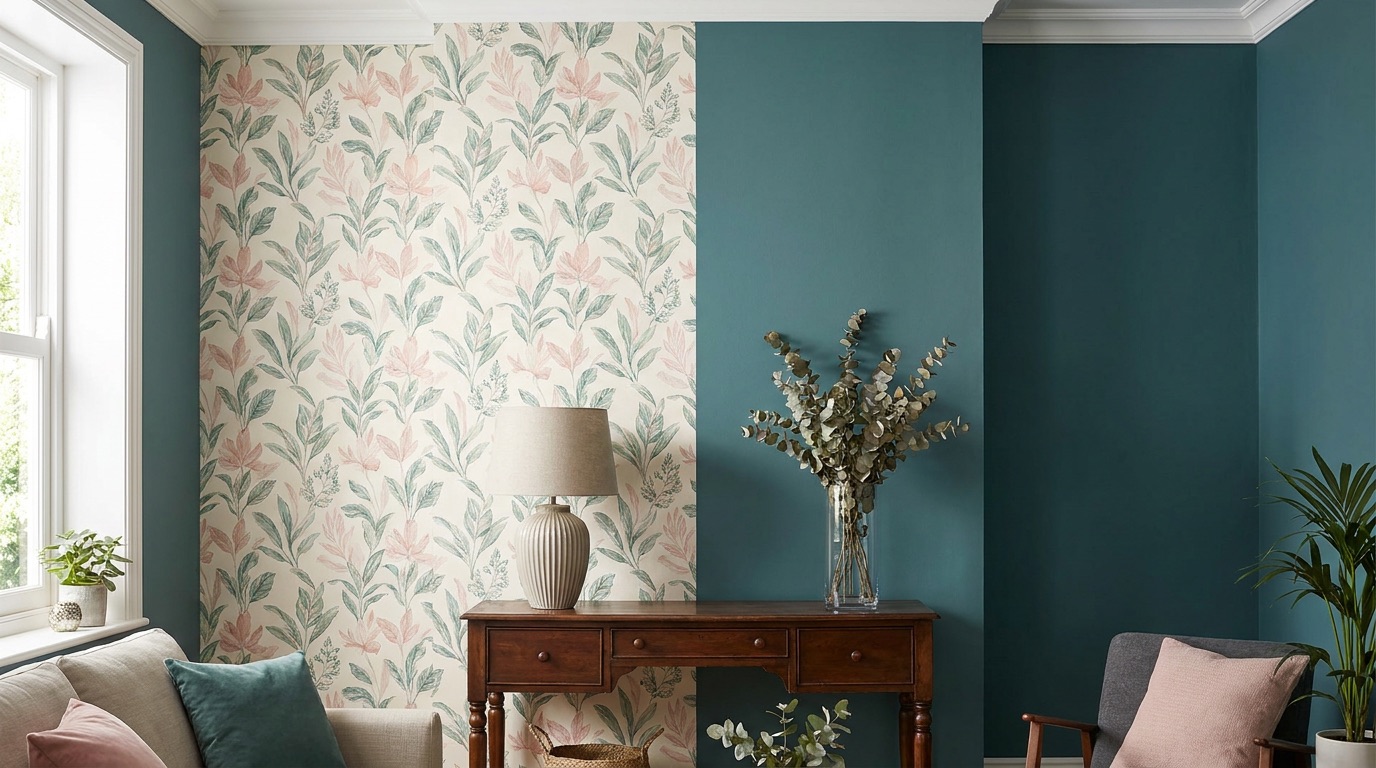
Two separate questions here. Stripping old paper can be straightforward or genuinely miserable, depending on how many layers there are and whether the plaster underneath survives it — sometimes walls need making good afterwards. Hanging new paper is priced on the paper as much as the room: a plain paper is far quicker than a large pattern repeat that has to be matched seam to seam, and delicate or hand-printed papers need more care again.
5. Access and obstacles
Stairwells need scaffolding or specialist ladders. Rooms with lots of furniture that can't be moved out take longer to protect and work around. High ceilings in older Preston properties add time to every single wall.
6. How many coats
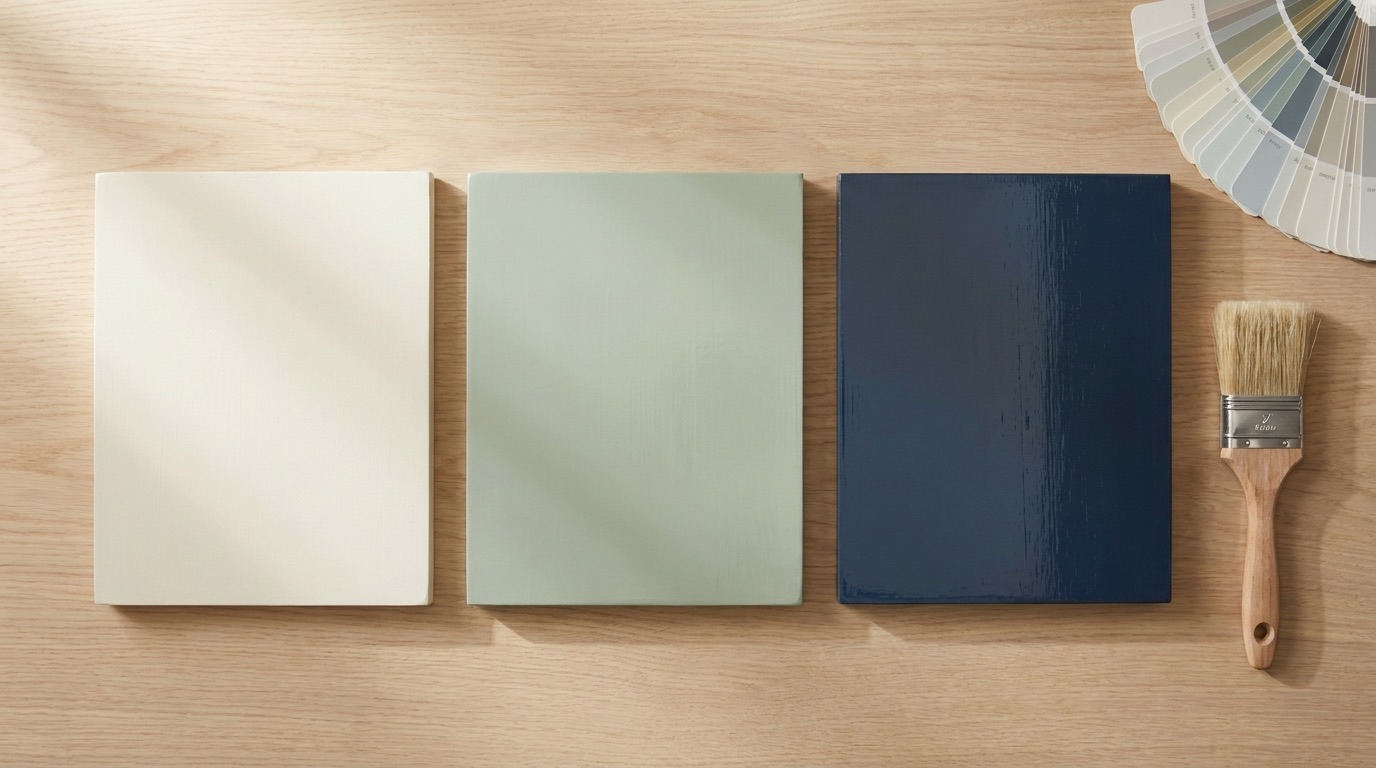
Going from white to a similar white might genuinely need one coat. Going from a deep red to a pale grey, or covering a strong colour with a light one, can need three or more — and no amount of "one coat coverage" on the tin changes that.
So what should you actually do?
Get someone to look at the room in person. Any quote given over the phone without seeing the walls is a guess, and guesses tend to be revised upward once work starts. A proper quote should tell you what's included — how many coats, whether woodwork and ceilings are covered, whether materials are in the price, and what happens if something unexpected turns up behind the wallpaper.
Deco by Della gives free, no-obligation quotes across Preston, Leyland, Chorley and South Ribble, with clear pricing and no hidden extras. If you'd like a realistic figure for your room, ask for a quote and you'll get an honest answer — including if the job is simpler than you feared.